Incoming batch
Each batch is quarantined on arrival and assigned a batch number. Nothing is allocated to orders until testing clears.
Peptide purity testing is a claim until someone shows you the data. Here is exactly what happens between a batch arriving and a vial reaching your bench.
The process
Each batch is quarantined on arrival and assigned a batch number. Nothing is allocated to orders until testing clears.
High-Performance Liquid Chromatography separates the target sequence from related impurities and gives the percentage purity figure quoted on the certificate.
LC-MS confirms the molecular weight matches the expected sequence, which is what distinguishes the correct peptide from a similar-looking one.
Results are recorded against the batch number and the certificate travels with every order drawn from that batch.
What is on the certificate
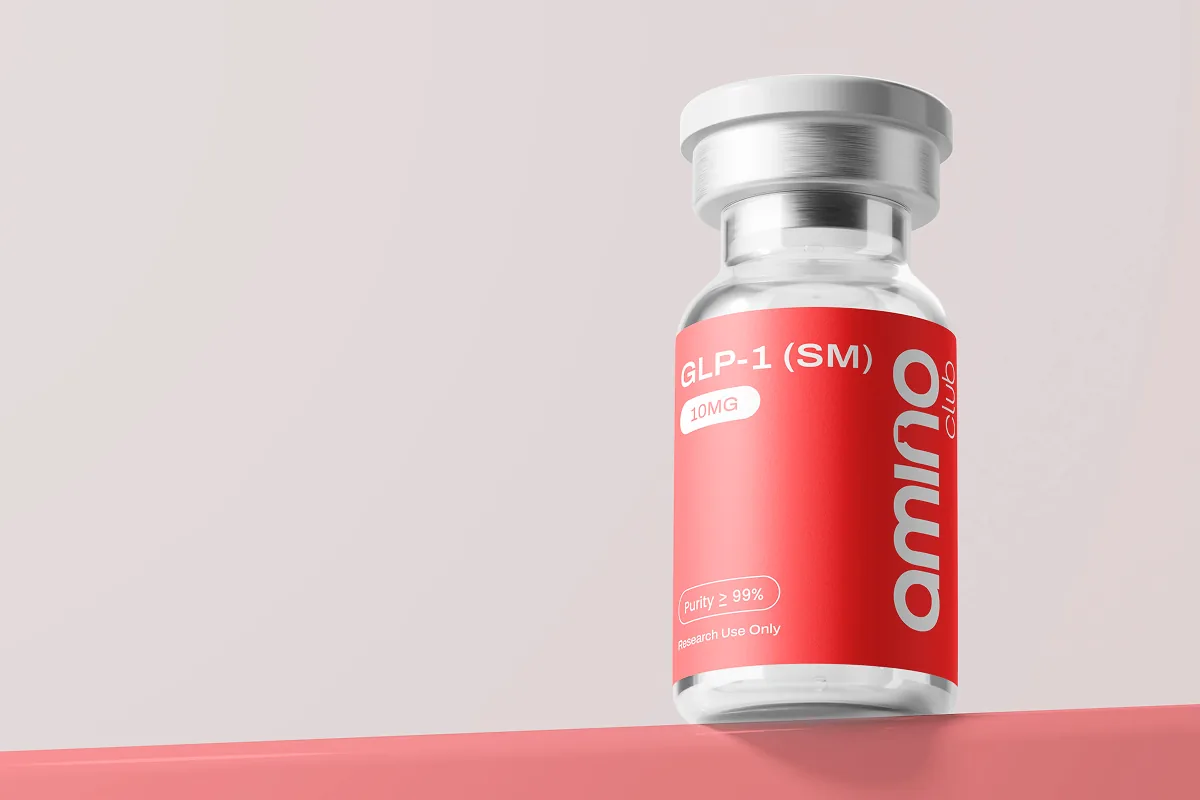
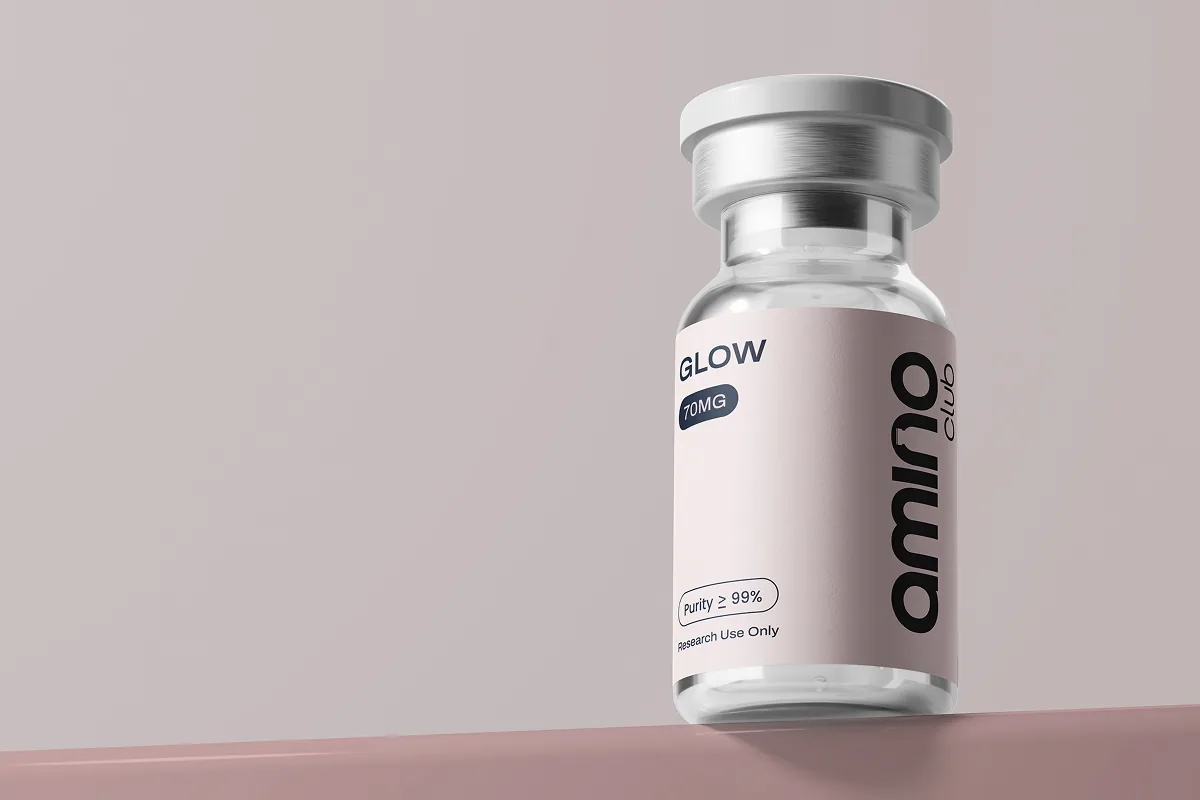
A Certificate of Analysis is only useful if you can tie it to the vial in your hand. Ours states the batch number printed on the label, so the two can always be matched.
Request a certificate
Need the CoA for a specific batch before you order, or a copy for a past order? Send the batch number and we will return the certificate.
Peptide purity testing at Amino Club is a release gate, not a marketing exercise. A batch arriving from a manufacturer is quarantined on receipt and cannot be picked for an order until its results exist. High-performance liquid chromatography separates the target sequence from truncated chains, deletion sequences and residual reagents, and the purity figure is the proportion of the total peak area attributable to the target. Identity is then confirmed separately by liquid chromatography–mass spectrometry, which checks the measured mass against the theoretical mass of the sequence.
Both results are recorded against the batch number, and that number is printed on every vial label from the batch. The certificate you receive states the compound, the batch number, the purity result, the identity confirmation, the test date and the issuing laboratory. If the two ever disagreed — a label saying one thing and a certificate another — the batch would not have been released.
It is worth being clear about the limits. An HPLC purity result describes the material at the moment it was tested. It says nothing about how the compound will behave once reconstituted, how long the solution will remain stable, or whether it is suitable for a particular assay. Stability after reconstitution varies considerably between sequences, which is why storage guidance sits on each individual product page rather than as one blanket instruction.
Nor does a certificate make a compound safe or approved for anything. These are laboratory reference materials, supplied under the research use policy for in-vitro work only. A certificate tells you what you have. It does not tell you what to do with it, and we do not offer that advice.
The certificate for the batch you are sent travels with the order. If you need to see a certificate before ordering, or you need the one matching a batch you already hold, ask research support with the batch number and we will send it. Common questions about testing, storage and shipping are answered on the FAQ.
A peptide purity testing certificate is short, and every line on it is load-bearing. The compound name and the batch number identify what was tested. The purity result is the proportion of total peak area attributable to the target sequence, which is why the method matters as much as the number: the same material assessed on a different gradient can read differently. The identity line records the measured mass against the theoretical mass for the sequence. The test date and the issuing laboratory tell you who stands behind the result and when.
The number that matters most is the batch number, because it is the only thing that ties the document to the vial. A certificate without a matching batch number on the label is a document about some other material.
Purity and identity answer different questions, and one without the other is close to useless. A chromatogram can show a single clean peak at 99% and still describe the wrong compound, because retention time alone does not identify a sequence. Mass spectrometry closes that gap by measuring what the molecule actually weighs and comparing it to what the sequence predicts. Running both is why a batch here can be quarantined for days rather than released on arrival.
Method literature for the techniques described here is indexed on PubMed.
Peptide purity testing is the release gate for every batch Amino Club sells. If a batch fails peptide purity testing, it is not relabelled or discounted; Amino Club returns it and waits for the next one.